Case Studies
Scientific Studies
Research Data
Case Studies

Case Studies
Novel Serum Proteins to Catalyze Cultivated Meat Production
One of the major challenges of the cultivated meat industry is the cost of growth factors, unique protein molecules that stimulate the growth and maintain the health of cell tissue. Growth factors play an essential role in promoting cellular differentiation and cell division. However, deriving from mammalian cells, they generally cannot be produced through microbial fermentation, resulting in unfeasible production expenses that hinder cost reduction and customer adoption.
To address the financial and developmental challenges of cost-effective insulin manufacturing, Enzymit has designed multiple novel insulin-like proteins, a crucial growth factor in cell growth, but also an important therapeutic. These new molecules, some with sequence identity completely different from native insulin, can be expressed in bacterial cells, making large-scale production significantly more cost-effective.

Novel Protein-Based Biosensing Solution
Biosensors utilize proteins that can sense and detect the presence of particular substances, or measure specific properties of a sample, for a range of applications. These may include environmental monitoring, safety monitoring, and industrial process control.
Novel biosensors for ground contaminants may be driven by a need to monitor and control the presence of harmful substances to protect public health and safety, or to ensure compliance with regulatory standards. They offer several advantages over traditional sensors, such as higher sensitivity, greater specificity, and more rapid response times, providing an ideal solution for detecting and measuring contaminants in the ground.
Enzymit is designing multiple novel biosensors that can identify trace amounts of harmful substances with far higher specificity and minimal signal-to-noise ratio compared to traditional detection methods.
There i currently no commercially available enzyme for polyolefin degradation, and traditional chemical degradation methods are expensive and can only be used for a limited time.
Enzymit is developing novel enzymatic solutions that address the specific challenges of plastic degradation to help realize a more sustainable and environmentally responsible future.
Plastic Degradation
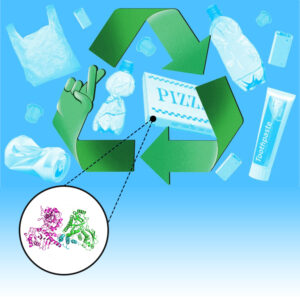
Almost 200 million tons of single-use polyolefins are produced every year. The proliferation of this environmentally resistant waste poses a growing environmental threat, while storage and disposal methods of plastic waste are still limited
There i currently no commercially available enzyme for polyolefin degradation, and traditional chemical degradation methods are expensive and can only be used for a limited time.
Enzymit is developing novel enzymatic solutions that address the specific challenges of plastic degradation to help realize a more sustainable and environmentally responsible future.
Drop-in Biofuels
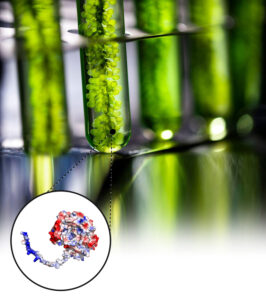
Enzymit is developing a novel enzymatic process for converting waste vegetable oils and other fat wastes into drop-in biofuels.
The foundation of modern society is hydrocarbons, mostly obtained from fossil fuels. However, as these resources are becoming scarcer and their excessive Use negatively impacts the environment. Drop-in biofuels, which provide functionality to traditional fuels without the environmental drawbacks of earlier-generation biofuels (such as ethanol and biodiesel) are proving to be a more viable solution.
The current technology for drop-in biofuel production relies on chemical hydrogenation, which requires vast investments in infrastructure and limits geographical distribution. Enzymit’s technology allows us to build smaller factories that can be erected faster and more cost-effectively where they are needed, dramatically increasing the market potential.
Scientific Studies
Scientific Studies coming soon
Research Data